


Walk into any shoe store or scroll through any online marketplace, and you’ll see the word “leather” everywhere. Leather sandals, leather slides, leather slippers — the term gets thrown around so loosely that it’s practically lost its meaning. But here’s what most brands won’t tell you: not all leather is created equal. In fact, the gap between full grain leather and the cheaper alternatives that dominate the market is enormous — in terms of durability, comfort, appearance, and long-term value.
Jescherline, a handcrafted sandal brand from Bandung, Indonesia, builds every pair exclusively with full grain leather. Not bonded leather. Not corrected grain. Not “genuine leather” — which, despite the reassuring name, sits near the bottom of the quality hierarchy. Full grain leather is the highest grade available, and Jescherline uses it because anything less would undermine the quality their sandals are built to deliver.
Understanding why full grain leather matters will change the way you buy footwear forever.
What Exactly Is Full Grain Leather?
Full grain leather is the outermost layer of an animal hide — the part that faced the elements during the animal’s life. It hasn’t been sanded, buffed, or altered to remove natural imperfections. Every grain pattern, every subtle mark, every variation in texture is preserved exactly as nature created it.
This matters for three critical reasons.
First, the outer grain is the densest, tightest part of the hide. Its fibers are packed closely together, creating a surface that’s naturally resistant to moisture, abrasion, and tearing. This is the part of the leather that evolved to protect a living animal — and it brings that same toughness to your sandals.
Second, because the grain hasn’t been altered, it retains the natural oils and breathability of the original hide. Full grain leather breathes, flexes, and regulates moisture in ways that processed leathers simply cannot replicate.
Third, full grain leather develops a patina over time — a rich, lustrous surface character that deepens with age and wear. While cheaper leathers crack, peel, and deteriorate, full grain leather actually becomes more beautiful the longer you own it.
The Leather Quality Hierarchy: Know What You’re Buying
Not every product labeled “leather” deserves your attention. Here’s where each grade sits — and why it matters when choosing sandals.
Full Grain Leather — The complete, unaltered outer surface of the hide. Strongest, most breathable, develops patina. This is what Jescherline uses exclusively.
Top Grain Leather — The outer surface has been sanded or buffed to remove imperfections. Thinner and weaker than full grain, with reduced breathability. Common in mid-range footwear and accessories.
Corrected Grain Leather — The surface has been heavily sanded and then embossed with an artificial grain pattern. Looks uniform but lacks the natural strength and character of unaltered leather.
Split Leather — The lower layers of the hide, separated from the grain. Weak, prone to tearing, and often coated with polyurethane to simulate a smooth surface. Used in budget footwear.
Bonded Leather — Scraps and fibers glued together with adhesive, then covered with a synthetic coating. Technically contains leather, but behaves more like cardboard. Falls apart quickly.
“Genuine Leather” — Despite the name, this is a marketing term that typically refers to the lowest usable grade of real leather. If a product only says “genuine leather” without specifying the grade, it’s almost certainly not full grain.
When Jescherline labels their sandals as full grain leather, it means you’re getting the absolute best the hide has to offer — no shortcuts, no downgrades, no misleading labels.
Full Grain Leather Sandals from Jescherline
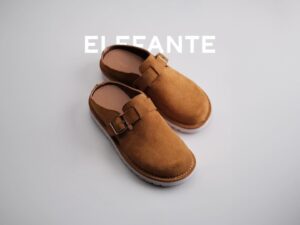
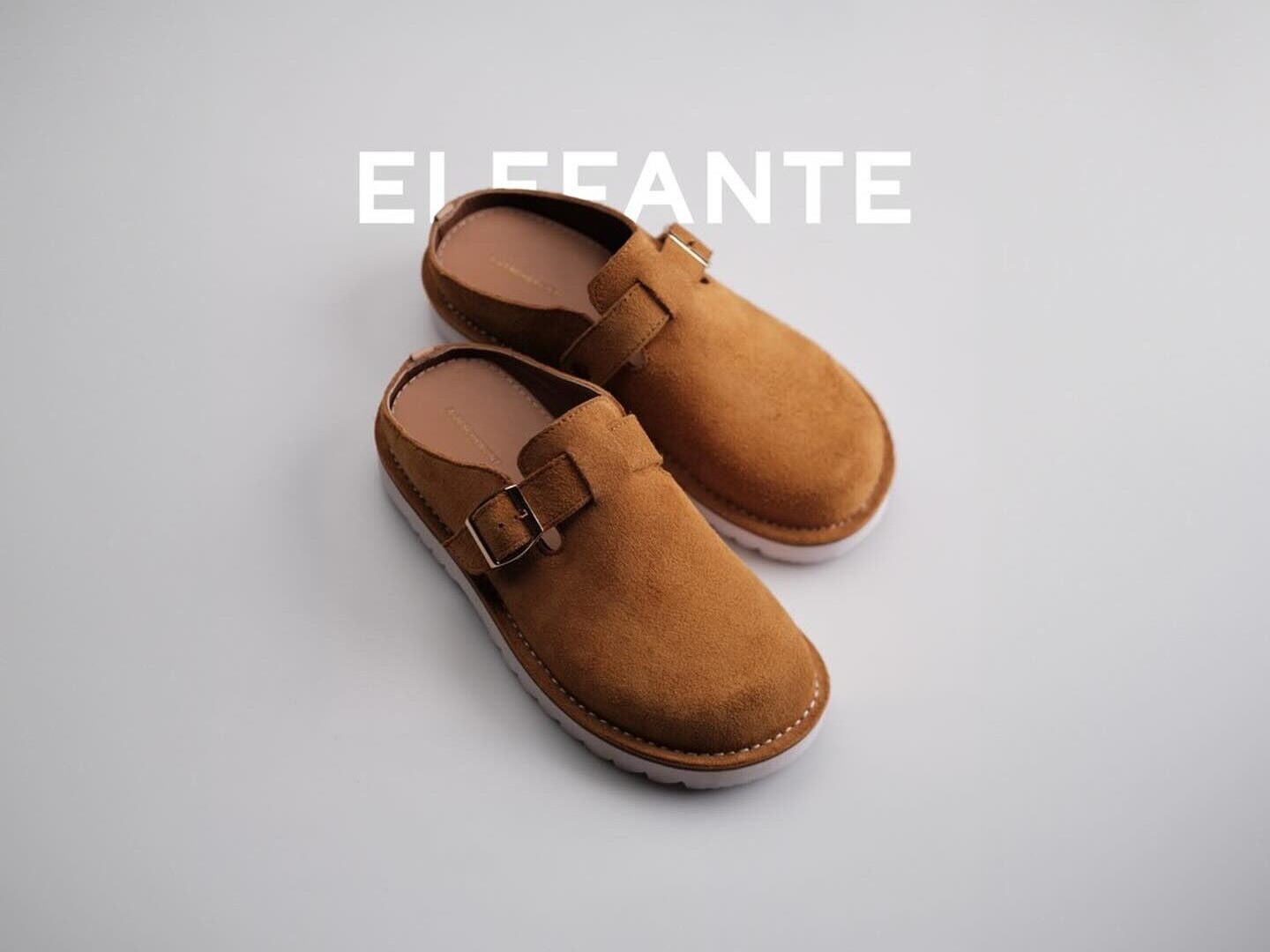
1. ELEFANTE — Oxblood

The Elefante in Oxblood showcases full grain leather at its finest. The wide cross-strap reveals the natural grain pattern in all its organic beauty — no two pairs are exactly alike, because no two hides are exactly alike. Run your fingers across the surface and you’ll feel the difference immediately: dense, smooth, slightly waxy — the unmistakable texture of unprocessed premium leather. Over months of wear, the oxblood tone deepens into a rich, complex hue with a natural shine that no synthetic finish can match. The Elefante isn’t just wearing full grain leather — it’s celebrating it.
2. CAIMAN — Oxblood

The Caiman’s minimalist single-strap design puts the leather front and center. With less hardware and fewer components, there’s nowhere for the material to hide — and full grain leather doesn’t need to. The Caiman’s strap is cut from a carefully selected section of the hide where the grain is most consistent and visually striking. The result is a sandal that looks deceptively simple but reveals its quality the moment you touch it, wear it, or watch it age. For purists who believe the material should speak for itself, the Caiman is the definitive full grain leather sandal.
3. BAFFARŌ — Oxblood

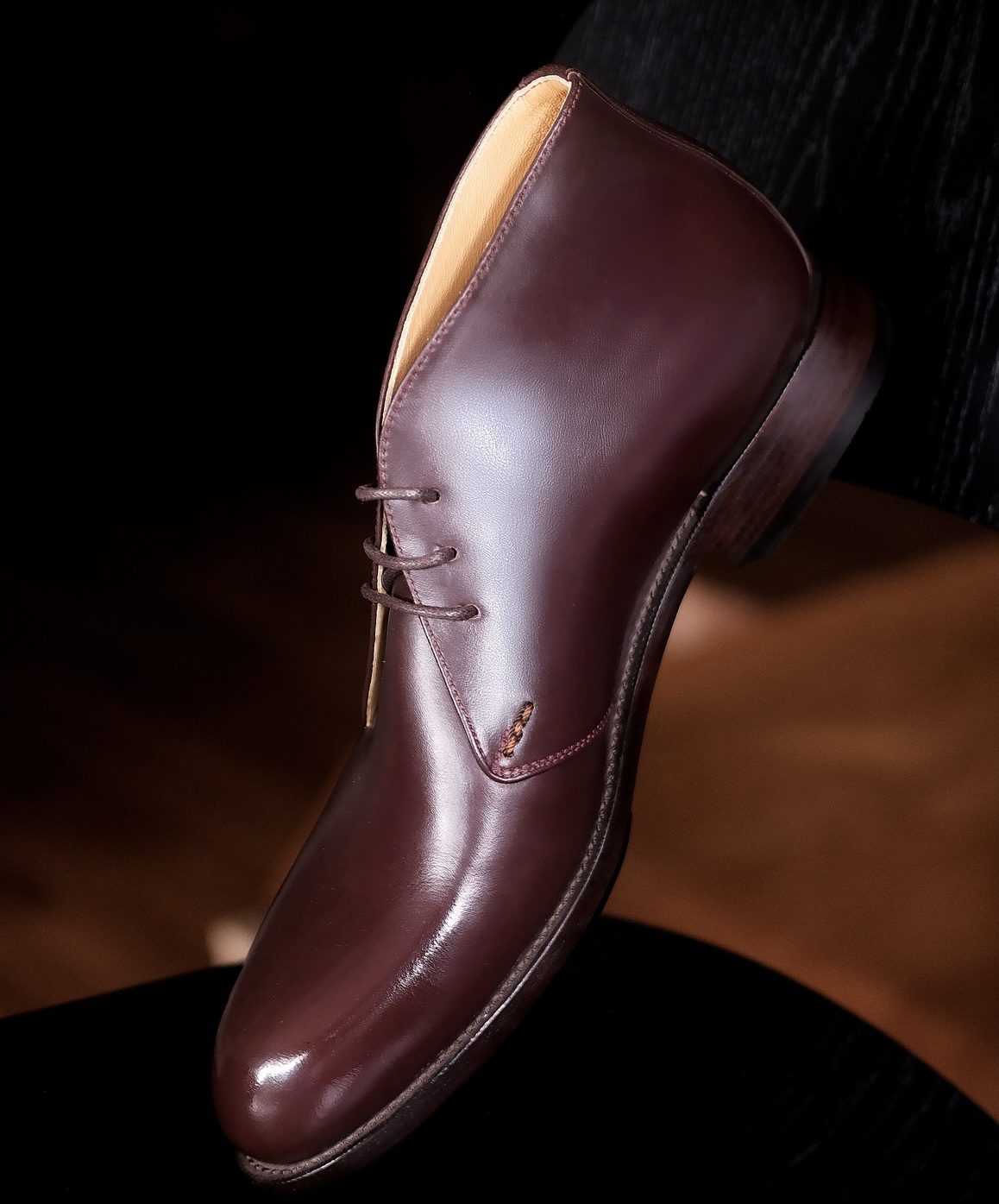
The Baffarō takes full grain leather and elevates it into something refined enough for your sharpest casual outfits. The leather is finished with a subtle polish that enhances the natural grain without masking it — you still see the authentic texture and character, but with an added depth that catches the light beautifully. The cow tan lining along the interior adds a second layer of leather luxury against the skin. At $135, the Baffarō costs slightly more than other models in the collection, and the reason is the additional finishing attention the leather receives. Every dollar of that difference is visible and tangible.
4. ARMADILLOS — Red Wine

One of the most compelling qualities of full grain leather is how it absorbs and holds dye. Because the grain hasn’t been sanded or sealed, the color penetrates deep into the fibers rather than sitting on the surface. The Armadillos in Red Wine demonstrates this perfectly — the deep burgundy hue has a richness and dimensionality that surface-coated leathers can never achieve. As the leather ages, the red wine color evolves into an even more complex shade, with lighter tones emerging at flex points and deeper tones settling into the creases. It’s footwear that doesn’t just age — it matures.
How Full Grain Leather Performs Over Time
The real magic of full grain leather sandals isn’t how they look on day one — it’s how they evolve over months and years.
Month One — The leather feels firm, smooth, and slightly stiff in the best possible way. The natural grain pattern is crisp and defined. The footbed begins to subtly conform to the shape of your feet.
Month Three — The straps have softened noticeably, wrapping around your feet with a custom-molded feel. A light patina has started forming on the surface, giving the leather a subtle sheen. The footbed has developed a clear impression of your foot shape.
Month Six — The patina is now visible and beautiful — a warm, burnished glow that can’t be manufactured. The color has developed more depth, with natural variations appearing at flex points and edges. Friends start asking where you got your sandals.
Year One and Beyond — The full grain leather has reached its stride. The sandals fit like nothing else in your wardrobe. The patina is rich and deeply personal. The structural integrity remains excellent thanks to the hand-stitched construction. These sandals are now uniquely yours — shaped, colored, and aged by your life.
This progression is exclusive to full grain leather. Lower-grade leathers crack, flake, and discolor. Synthetics simply degrade. Only full grain leather gets better with time.
How to Identify Full Grain Leather
Shopping for full grain leather sandals? Here’s how to tell the real thing from imposters.
Look at the surface — Full grain leather has an organic, slightly irregular grain pattern. If the texture looks too uniform or perfectly repeated, it’s likely embossed corrected grain.
Touch it — Full grain leather feels dense, slightly waxy, and warm to the touch. Cheaper leathers feel papery, plasticky, or overly soft and spongy.
Smell it — Genuine full grain leather has a rich, earthy aroma. Synthetic and bonded leathers have a chemical, plasticky smell.
Check the edges — Cut edges of full grain leather show a consistent, fibrous cross-section. Bonded leather shows layers of compressed material, while synthetic leather shows a fabric backing.
Ask the brand — Reputable brands like Jescherline will specify “full grain leather” clearly and proudly. If a brand only says “genuine leather” or “real leather” without specifying the grade, there’s usually a reason.
Watch the price — Full grain leather costs significantly more than lower grades. If a “leather” sandal costs $20, the material almost certainly isn’t full grain.
Full Grain Leather and Sustainability
Choosing full grain leather is also a more sustainable choice. Because it’s the strongest, most durable grade of leather, products made from it last dramatically longer than those made from cheaper materials. A pair of full grain leather sandals that lasts five to ten years replaces multiple pairs of lower-quality alternatives — reducing waste, resource consumption, and your overall environmental footprint.
Jescherline reinforces this durability with vegetable-tanned natural midsoles — a tanning process that uses plant-based agents instead of harsh chromium chemicals. The result is a sandal that’s better for the environment at every stage of its lifecycle, from production through years of wear.
Crafted in Bandung, Shipped Worldwide
Every pair of Jescherline full grain leather sandals is handcrafted by skilled artisans in Bandung, Indonesia — a city with deep traditions in leather craftsmanship.
To explore the full collection, visit jescherline.com or reach out directly via WhatsApp at +62 8188 57247 and email at [email protected].
Final Thought
Full grain leather sandals aren’t just a step up from regular leather — they’re in a different league entirely. Stronger, more breathable, more beautiful with age, and more rewarding to own. When you know the difference, you can’t go back.
Jescherline has built its entire reputation on this one uncompromising choice: full grain leather, every pair, no exceptions. If you’re ready to experience what that really means on your feet, the collection is waiting.
Visit jescherline.com and discover the difference full grain makes.