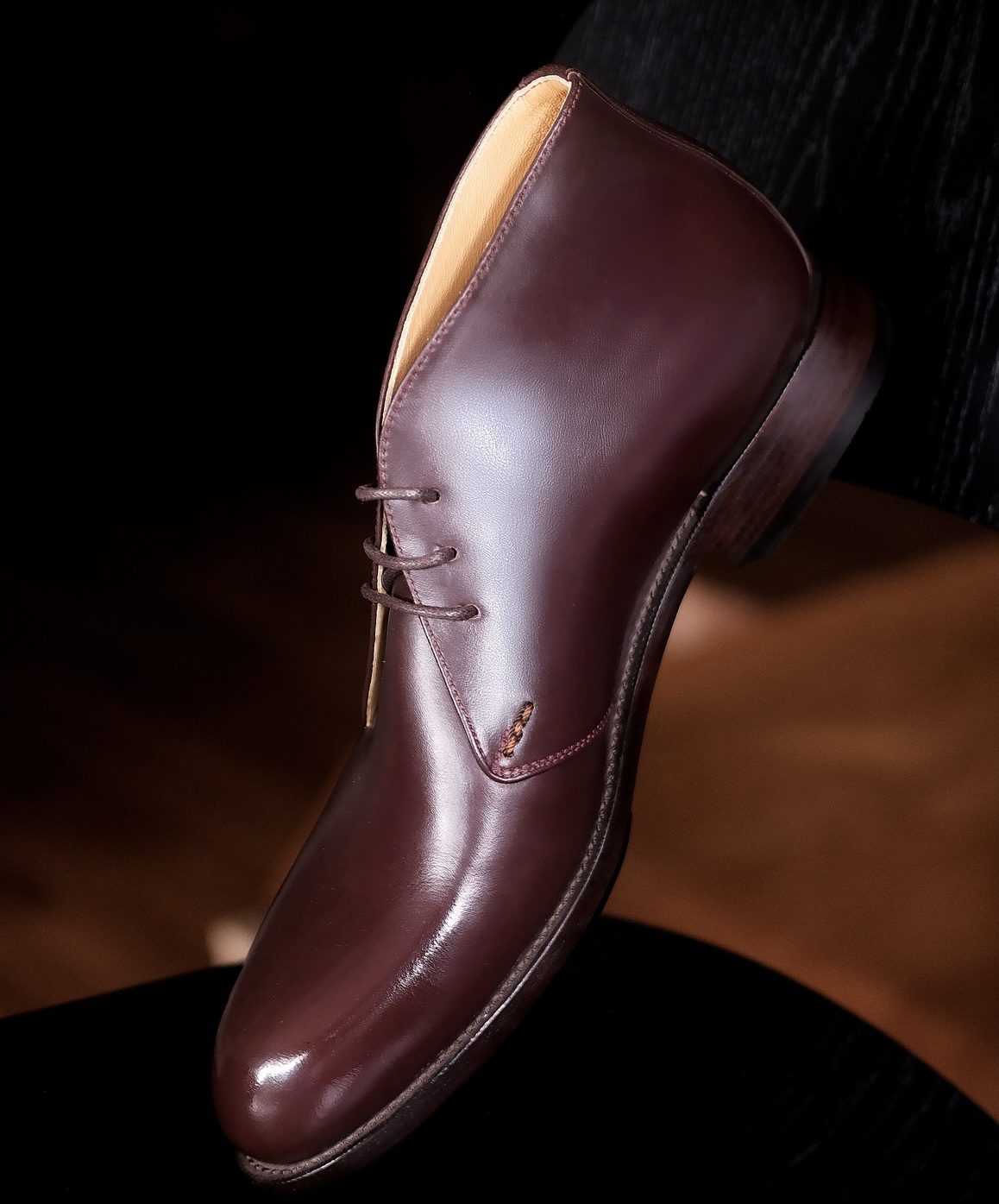
Say “Bandung shoes” to most people outside Indonesia and you’ll get a polite blank look. Say it inside the global boot community, and the reaction changes completely. Somewhere over the last decade, this West Java city turned into one of the most interesting addresses in handmade footwear — and almost nobody outside the hobby noticed it happen.
So how did a city better known for cool weather and weekend factory outlets become a serious bootmaking capital?
A tradition with deep roots
Part of the answer is history. Shoemaking know-how filtered into the region long ago — the colonial-era Dutch influence is often cited — and never really left. Bandung kept the skills alive across generations of small workshops, the kind where techniques get handed down rather than written down. Add a local culture where motorcycles, the outdoors, and a genuine appreciation for well-made gear all overlap, and you’ve got fertile ground for boots that are built to be used.
Handwelting at unreal value
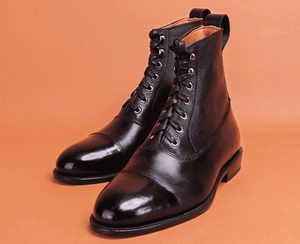
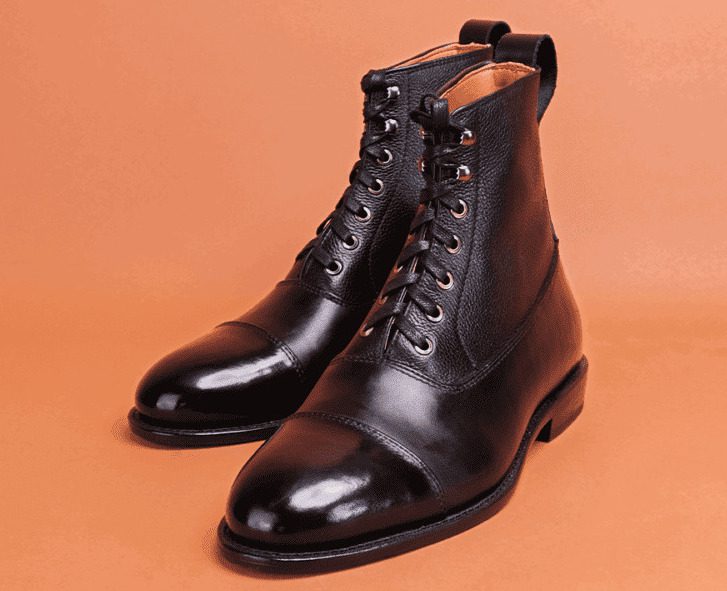
The technical heart of it is handwelting. Across dozens of Bandung workshops, artisans stitch uppers, insoles, and soles together by hand using welted construction — the same method that makes high-end Western boots resoleable and long-lasting. The difference is the price. It’s almost impossible to find handmade, welted boots elsewhere in the world at what Indonesian makers charge. That value gap is precisely what pulled in North American and European buyers, and that demand, in turn, pushed local makers to sharpen their patterns, leather sourcing, and finishing.
Where TXTURE fits in
Among the names that keep surfacing in these conversations is TXTURE, a Bandung workshop active since 2009. It’s become a useful example of the city’s ceiling rather than its floor — a maker that built a reputation on full-grain leather, welted construction, and designs with actual narrative behind them. Models like its duck-boot Mariana have earned attention abroad, and the brand has shown up in reviews across international boot communities. It’s the kind of operation that quietly proves Indonesian footwear can stand next to anything from Europe or the States.
A scene built on made-to-order
What really defines Bandung is the made-to-order soul of it. Walk into the process and you’re not just picking a size — you’re choosing leather, last, hardware, and outsole, working with a maker to build something specific. That collaborative, slow approach is the opposite of fast fashion, and it’s exactly why collectors are willing to wait weeks for a single pair.
The takeaway is simple. Bandung didn’t get loud about any of this. It just kept making excellent boots until the rest of the world caught up. If you’ve never explored Indonesian handmade footwear, it’s one of the best-value corners of the entire craft — and the city that quietly built it deserves a lot more than a blank stare.