
Three Skills, Usually Trained in Isolation
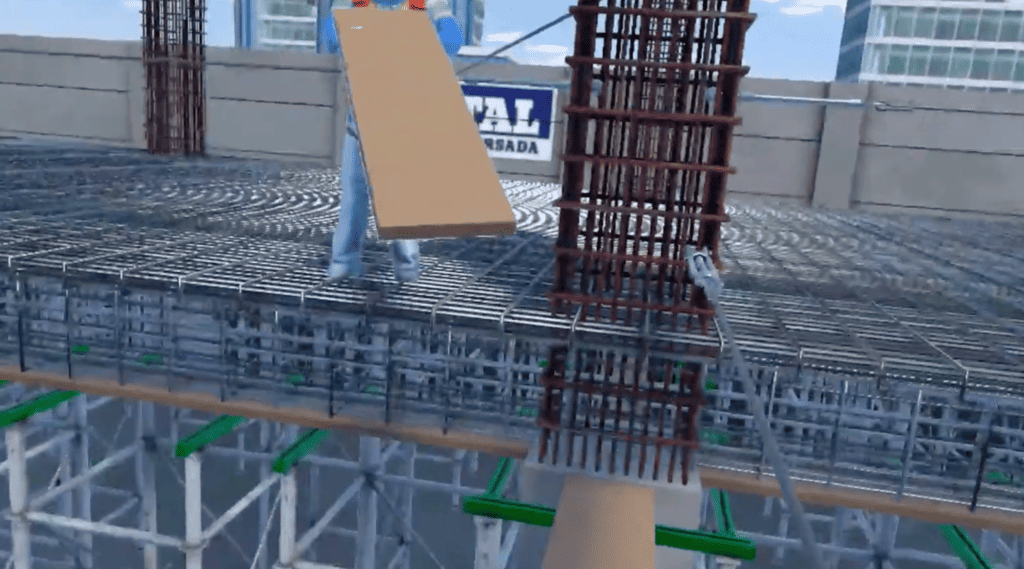
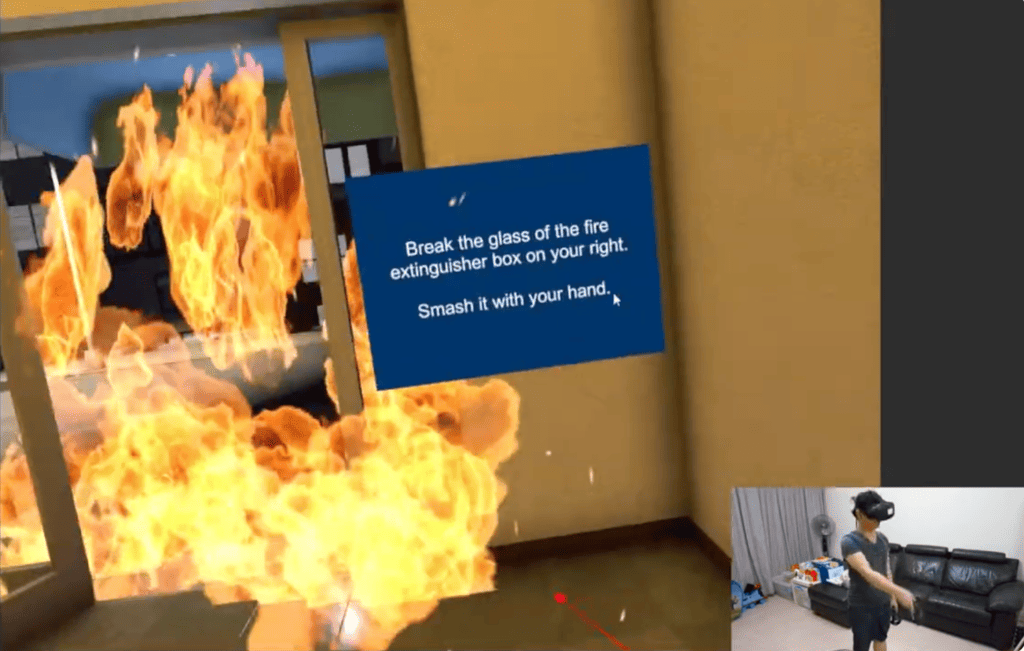
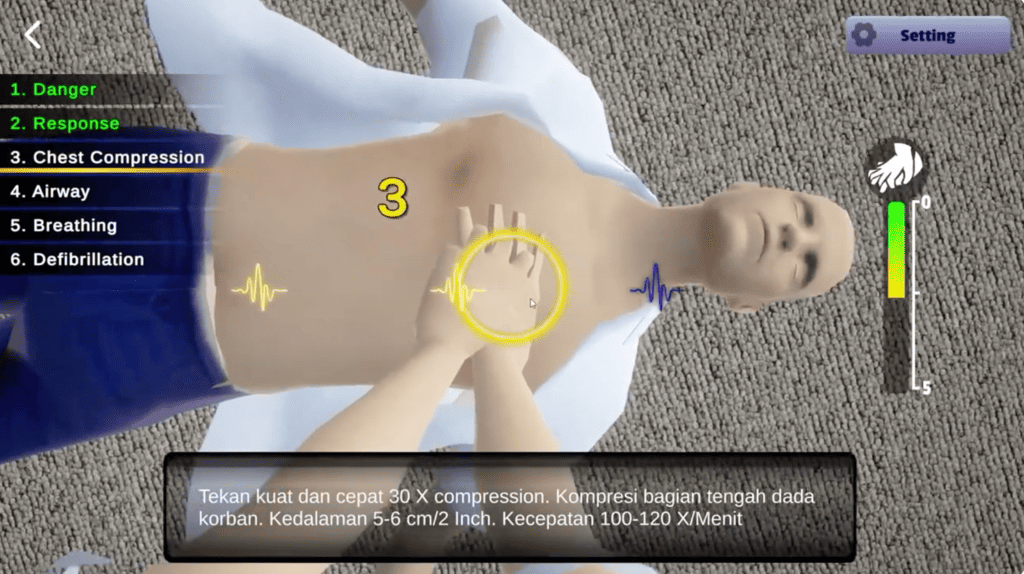
Most organizations that train for fire evacuation, work at height, and first aid treat them as three separate programs, often scheduled months apart, sometimes run by different instructors or even different vendors entirely. That’s not unreasonable — the three cover genuinely different hazard categories. It does mean a workforce rarely experiences these as a connected set of readiness skills, even though a real incident doesn’t respect those boundaries. A fall at height can require both a rescue response and first aid. A fire can require evacuation assistance for someone who’s already injured. VGLANT VR safety training is built around that overlap rather than around the categories.
One Platform, Built for All Three
As a leading provider of immersive VR training solutions, VGLANT’s core offering is built specifically to cover fire evacuation, work at height, and first aid under one consistent training platform rather than three disconnected programs. The scenario content differs — a stairwell evacuation looks nothing like a harness rescue, which looks nothing like a triage decision — but the underlying system stays the same: the same headset, the same performance tracking, the same format a trainee is already familiar with by the time they move from one module to the next.
That consistency matters more than it might seem. A worker who’s already comfortable with how a VGLANT session works doesn’t spend the first ten minutes of a new training module just learning the interface. They’re straight into the actual scenario, which means more of a limited training day goes toward the skill itself rather than orientation.
Structuring a Day Around All Three
A training day built around this approach typically moves through each module as a distinct block — evacuation scenarios, height and rescue scenarios, first-aid scenarios — with performance data collected consistently across all three, giving a training manager one unified readiness picture instead of three separate, disconnected reports.
Transforming Training Programs as a Whole
Cutting-edge virtual reality technology applied across an entire safety curriculum, rather than to a single hazard type, is what actually lets an organization transform its training program rather than just add one new module to an existing one. Fire, height, and first aid stop being three separate boxes to check and start looking more like what they actually are: overlapping parts of the same readiness question.
See VGLANT’s full training platform at vglant.com.